


-

Add: HeBei ShengShi HongBang Cellulose Technology CO.,LTD.
-

Email
13180486930@163.com -

CONTACT US
+86 13180486930




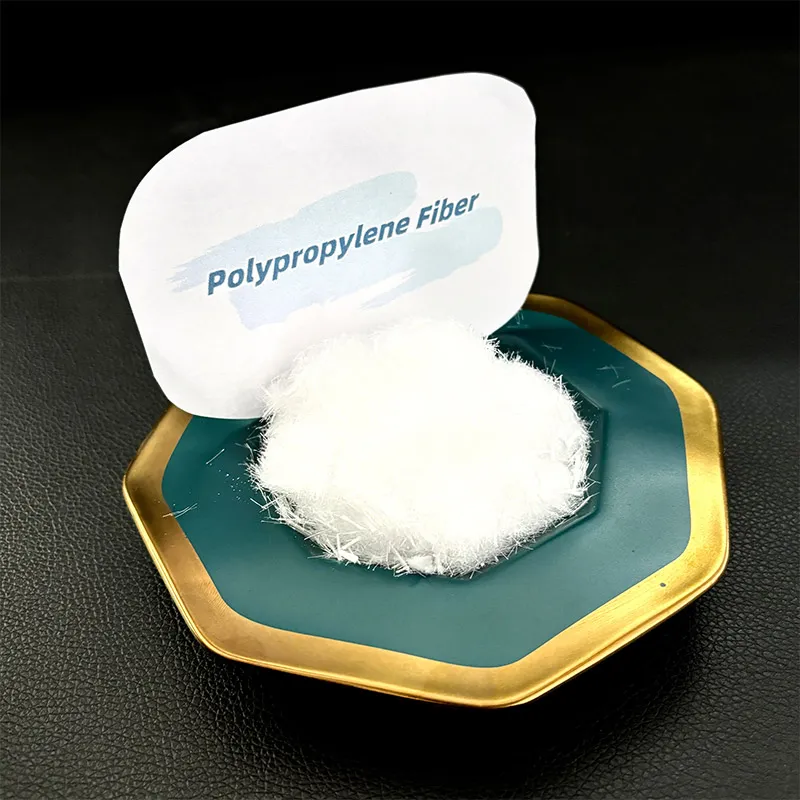
Understanding Polyolefin Fibers Properties, Applications, and Advantages Polyolefin fibers, derived from polyolefin resins, have become an integral part of various industries, ranging from textiles to automotive and construction. Polyolefins, primarily polyethylene (PE) and polypropylene (PP), are polymers characterized by their versatility, lightweight nature, and resistance to chemicals and moisture. This article delves into the properties, applications, and benefits of polyolefin fibers. Properties of Polyolefin Fibers Polyolefin fibers exhibit a range of properties that make them suitable for different applications. One of their most notable characteristics is their resistance to moisture and chemicals. Unlike natural fibers, polyolefin fibers do not absorb water, making them ideal for use in damp environments. This resistance also contributes to their longevity, as they are less prone to mildew and deterioration. Another significant property is their lightweight nature. Compared to other synthetic fibers, polyolefin fibers are less dense, which offers convenience and ease of handling, especially in textile applications. Furthermore, these fibers have excellent thermal stability, remaining effective across a broad temperature range. Their low melting point, however, requires careful handling during processing and manufacturing. Polyolefin fibers are also renowned for their tensile strength and flexibility. These attributes not only enhance their durability but also allow for a variety of weaving and knitting techniques, leading to diverse fabric textures and styles. Additionally, they exhibit colorfastness, which means that dyes and pigments adhere well to the fibers without fading over time—a crucial factor for textile manufacturers. Applications of Polyolefin Fibers The versatility of polyolefin fibers has led to their widespread adoption across various industries. In the textile sector, polyolefin fibers are commonly used to produce non-woven fabrics, geotextiles, and various clothing items. Their moisture-wicking properties make them particularly popular in activewear and athletic apparel, where breathability and comfort are paramount. fibre de polyoléfine In the automotive industry, polyolefin fibers are utilized in interior components such as seating, carpeting, and insulation. Their lightweight nature contributes to overall fuel efficiency, aligning with industry trends toward sustainability. Additionally, the fibers impart excellent sound insulation properties, leading to a quieter ride for passengers. Polyolefin fibers are also gaining traction in the construction sector. Their resistance to moisture and chemicals makes them ideal for applications in roofing, insulation, and protective coverings. Furthermore, the fibers can be incorporated into concrete to improve its tensile strength, durability, and resistance to cracking. Advantages of Polyolefin Fibers The advantages of using polyolefin fibers are numerous and compelling. First and foremost, they offer excellent cost-effectiveness. As one of the most produced synthetic fibers globally, polyolefins are readily available and can be manufactured at a lower cost compared to other materials. Additionally, the sustainability aspect of polyolefin fibers is gaining attention. While traditional plastics pose environmental concerns, the recycling and reuse potential of polyolefins can mitigate some of these issues. Many polyolefin products are now being designed with recyclability in mind, contributing to a more circular economy. Another significant advantage is the low maintenance required for polyolefin-based products. Fabrics made from these fibers are easy to clean, resistant to stains, and retain their original properties even after multiple washes. This reduces the need for harsh cleaning products, further supporting environmental sustainability. In conclusion, polyolefin fibers present a wealth of benefits that cater to various industries, from textiles to automotive and construction. Their unique properties, such as chemical and moisture resistance, lightweight nature, and long-term durability, make them an attractive option for manufacturers looking to innovate and optimize their products. As sustainability continues to gain importance in material selection, the role of polyolefin fibers is likely to expand, paving the way for more eco-friendly and efficient solutions in the future.
- 40000tons

Production
- 20+years

Experience
- 5000+㎡

Acreage

-
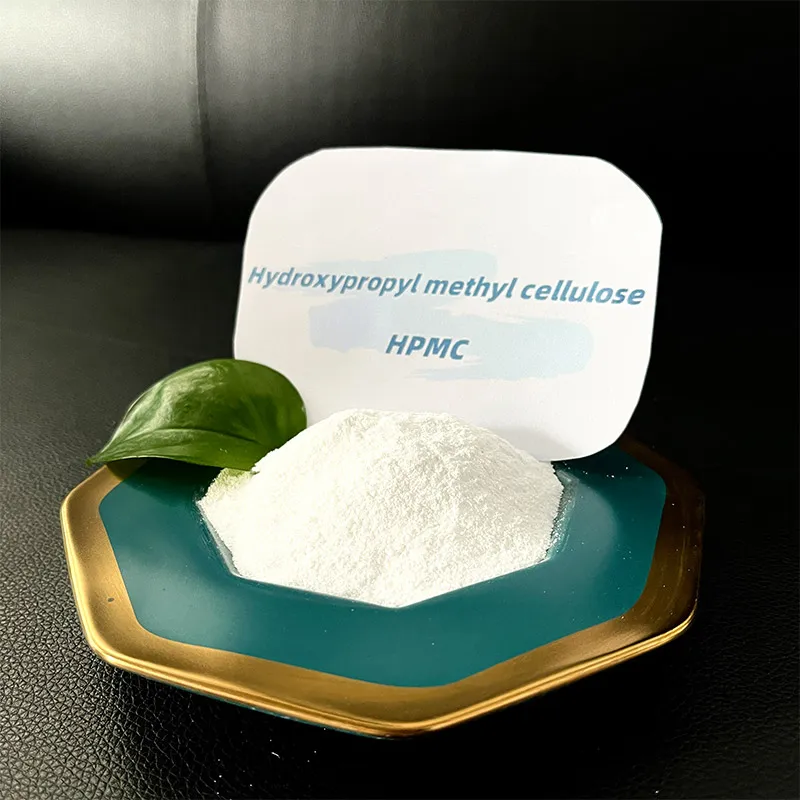
In the vast landscape of chemical manufacturing, Hydroxypropyl Methylcellulose (HPMC) stands out as a crucial compound with diverse applications ranging from construction to pharmaceuticals. When it comes to sourcing HPMC, China emerges as a dominant player in the global market, home to some of the most reputable manufacturers known for producing high-quality HPMC products. This article explores the landscape of HPMC manufacturers in China, emphasizing the importance of Experience, Expertise, Authoritativeness, and Trustworthiness (E-E-A-T) for international buyers seeking reliable partners. Navigating the intricate world of chemical suppliers, buyers often seek companies with extensive experience, as it serves as a testament to a manufacturer’s ability to consistently produce quality products and adapt to changing market demands. China’s HPMC manufacturers typically boast decades of experience in the field . These manufacturers have honed their production processes to ensure high purity and consistency, critical factors for industries such as pharmaceuticals, where HPMC is used in drug formulation. Expertise is another critical factor that sets top Chinese HPMC manufacturers apart. The best manufacturers invest in cutting-edge research and development to refine their production processes continually. This commitment not only enhances the quality of their products but also expands their application range – from improving water retention in cement-based materials to acting as a binder and viscosity agent in food products. Many leading Chinese manufacturers maintain state-of-the-art laboratories and collaborate with research institutions to stay at the forefront of technological advancements in polymer science. The authoritativeness of a manufacturer can often be gauged by their certification credentials and international recognition. Top-tier HPMC manufacturers in China typically hold various international certifications such as ISO 9001 for quality management systems and GMP (Good Manufacturing Practice) for pharmaceutical-grade HPMC. Such certifications underscore their commitment to maintaining rigorous quality standards. Moreover, these manufacturers often participate in international exhibitions and trade fairs, which not only boost their industry reputation but also provide platforms for showcasing their innovative products globally. hpmc manufacturers in china Trustworthiness is paramount in selecting the right HPMC manufacturer. Chinese manufacturers often foster trust by engaging transparently with international clients, offering comprehensive information on product specifications, production processes, and quality assurance measures. Furthermore, many reputable manufacturers provide supply chain transparency, allowing clients to trace the journey of their products from production to delivery. By building long-term relationships with clients and offering excellent after-sales support, Chinese HPMC manufacturers cultivate a sense of trust essential for successful business partnerships. While selecting an HPMC manufacturer in China, international buyers are encouraged to conduct thorough due diligence. Engaging with manufacturers who have a substantial online presence, positive client reviews, and robust customer service can significantly impact the ease and success of business transactions. Moreover, leveraging platforms like trade associations and networking events can provide additional insights into the reliability and capabilities of potential suppliers. In conclusion, the landscape of HPMC manufacturers in China is characterized by profound expertise, solid experience, and a commitment to quality, making it a fertile ground for sourcing this vital compound. By emphasizing the E-E-A-T principles, international buyers can navigate this competitive market effectively, ensuring they partner with manufacturers who align with their strategic and operational goals. Such an informed approach not only optimizes product acquisition but also lays the foundation for long-lasting, mutually beneficial partnerships in the vibrant chemical manufacturing industry.
-
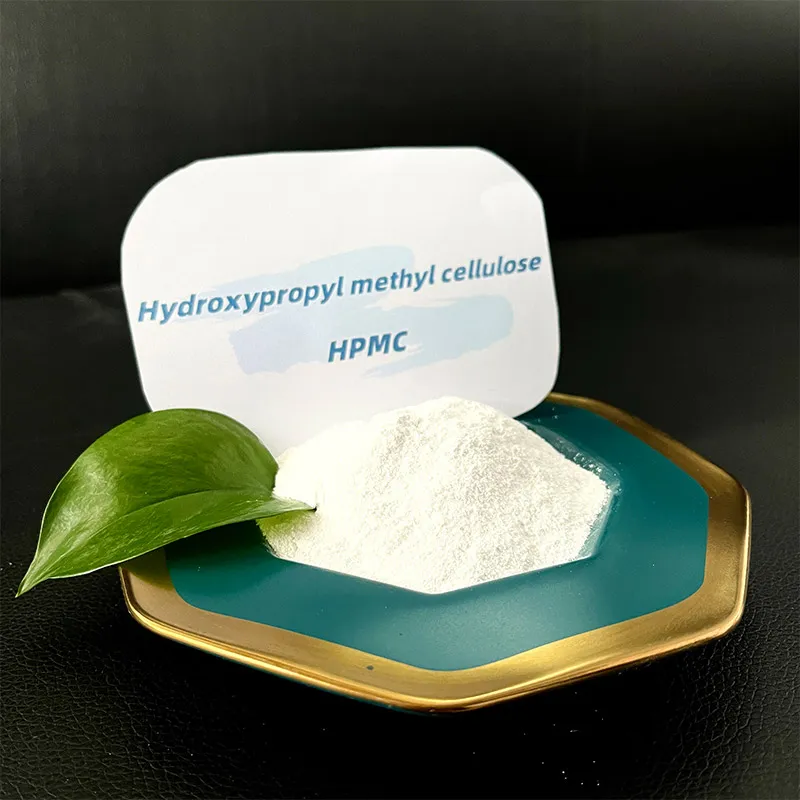
Cellulose ether HPMC (Hydroxypropyl Methylcellulose) has emerged as a significant player in the realm of construction and pharmaceutical industries, characterized by its multifunctional applications and its intrinsic value in product formulation. Unlike conventional compounds, HPMC is derived from cellulose, a naturally occurring polymer, which ensures its contribution towards sustainability while enhancing performance in various applications. In the construction industry, HPMC is unparalleled for its ability to modify rheological properties. Its utilization in cement-based materials promotes workability, water retention, and open time. By enhancing the adhesive properties, HPMC ensures optimal adherence of tiles, thus extending longevity and durability in construction projects. For experienced construction professionals, HPMC has become synonymous with quality and reliability. The cellulose ether's ability to drastically reduce cracking and improve tensile strength in mortar applications endorses its necessity for any construction operation seeking efficiency and sustainable results. Transitioning to the pharmaceutical sector, HPMC showcases its versatility as a film-former and coating agent that is indispensable for tablet manufacturing. Its capability to improve the dissolution profiles of active pharmaceutical ingredients demonstrates its importance in controlled drug delivery systems. With a profound understanding of how HPMC enhances viscosity and stability, it is vital for formulators who aim to maintain the bioavailability of drugs while ensuring patient compliance through modified release mechanisms. Experts in polymer science laud HPMC for its thermal gelation properties . This unique characteristic allows professionals to design and innovate formulations that require precise gelatinous behavior upon heating. The nonionic nature of HPMC enables it to function without dependency on pH, ensuring chemical stability across a wide range of formulations. As such, its integration in personal care products such as shampoos and lotions highlights its efficacy in improving texture and aesthetic appeal, serving as a testament to its authority in diverse industries. cellulose ether hpmc Trust in HPMC is well justified by its extensive regulatory acceptance. Accredited by numerous health organizations globally, HPMC's designation as a Generally Recognized As Safe (GRAS) material underscores its safety profile. Manufacturers capitalize on its biodegradability, addressing increasing consumer consciousness for environmentally friendly products. By conforming to international manufacturing standards, producers of HPMC establish trust and reliability, ensuring that end-users receive products that meet rigorous safety and quality compliances. For product development, the adaptability of HPMC is indispensable. Research and development specialists view it as a bridge to future innovations allowing for enhanced bioactivity and functional improvements in textiles and adhesives. This adaptability makes it a beneficial staple in research initiatives aimed at discovering new use cases and improving current applications. In summary, the advantages of cellulose ether HPMC reflect a multifaceted utility backed by undeniable expertise and authority within its field. Its ability to integrate into various industries—from construction to pharmaceuticals—while promoting enhanced performance and ecological sustainability, makes it a critical asset. Professionals and consumers alike can trust its reliable performance, as validated by regulatory standards and years of proven application. Whether in creating robust structures or facilitating advanced medical therapies, HPMC stands as a testament to the intersection of innovation and necessity in integerating superior materials into everyday solutions.
advantages
-

200000 Viscosities
Excellent product
We can produce pure products up to 200,000 viscosities
-

40000 tons
High yield
We don’t stop production all year round, and the annual output can reach 40,000 tons
-

24 hours
Quality service
We provide 24-hours online reception service, welcome to consult at any time
———— Inquiry Form
Schedule A services


-
 hpmc_structure
Oct . 25, 2025
Hydroxypropyl methylcellulose (HPMC) , often celebrated for its multifunctional prowess, is a cellul -
 hpmc_msds
Oct . 25, 2025
Hydroxypropyl methylcellulose (HPMC) has been a prominent player in the world of construction and ph - hpmc_viscosity_table
Oct . 25, 2025
Hypromellose, also known as hydroxypropyl methylcellulose (HPMC) , is a versatile and widely used in


